A dish prepared with fried cicadas. (Photo: Zhao Liu/iStock)
This week, the International Atomic Energy Agency announced a new coordinated research project (CRP) to improve understanding of the safety of edible insects and other novel foods and to use nuclear and related technologies to assess risks.
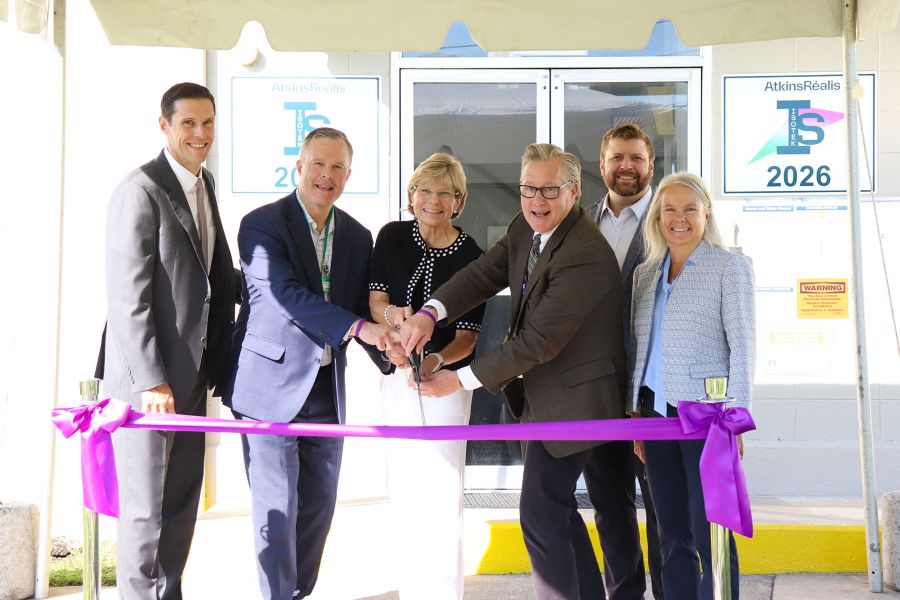
The ribbon is cut for the new analytical lab in ORNL’s Building 2026 by, from left, AtkinsRéalis’s Jeff Kendall, TerraPower Isotopes’ Scott Claunch, Isotek Systems’ Sarah Schaefer, OREM’s Erik Olds, TerraPower Isotopes’ Ben Goodrich, and OREM’s Teresa Robbins. (Photo: DOE Oak Ridge Office of Environmental Management)
A new analytical laboratory at Oak Ridge National Laboratory has been officially opened by the Department of Energy’s Oak Ridge Office of Environmental Management and its contractor Isotek Systems. The state-of-the-art lab, located in Building 2026, is being used to speed up the high-priority cleanup of ORNL’s uranium-233 inventory and accelerate the delivery of actinium-225 to facilities that use the radioisotope in research and for potential treatment of patients with cancer.
Rendering of Firefly’s Blue Ghost lunar lander with a closeup of Zeno Power’s Survive-the-Night package hosted on the top deck. (Image: Zeno Power/Firefly Aerospace)
As established by a commercial payload agreement, a radioisotope heating unit (RHU) developed by Zeno Power will be onboard one of Firefly Aerospace’s existing Blue Ghost missions to the near side of the moon as part of NASA’s Commercial Lunar Payload Services, the companies announced yesterday.
Zeno, which has already been working on an americium-241–fueled radioisotope power system for Harmonia RPS, will provide a lightweight, compact 5-Wt Am-241 RHU that includes communications, electrical power, command and data handling, and thermal management subsystems.
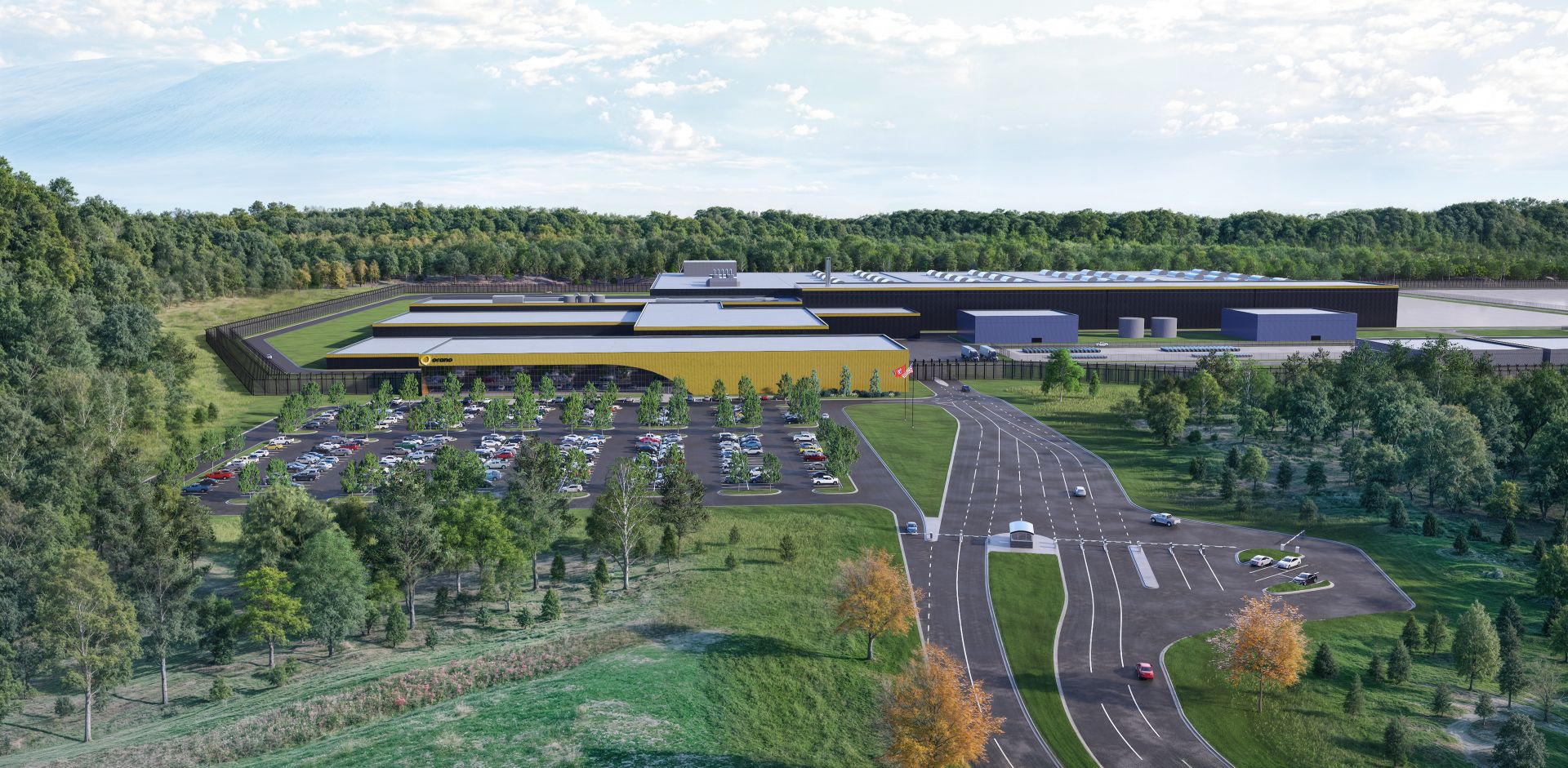
Concept art of Orano’s planned Project Ike facility in Oak Ridge, Tenn. (Image: Orano)
The Nuclear Regulatory Commission is considering Orano Enrichment USA’s application for a license to build a centrifuge enrichment facility in Oak Ridge, Tenn. A notice published in the Federal Register on August 12 includes a commission order and an announcement of the opportunity to request a contested hearing.
The publication of the FR notice marked the start of a 60-day period in which a member of the public can file a request for a hearing. If contentions are adjudicated, the NRC intends to not hold a second, uncontested hearing before issuing a license on the $5 billion Project Ike Enrichment Facility, where Orano plans to reenrich depleted uranium hexafluoride (UF6) tails and enrich natural-grade UF6 to a maximum of 8-weight percent uranium-235.
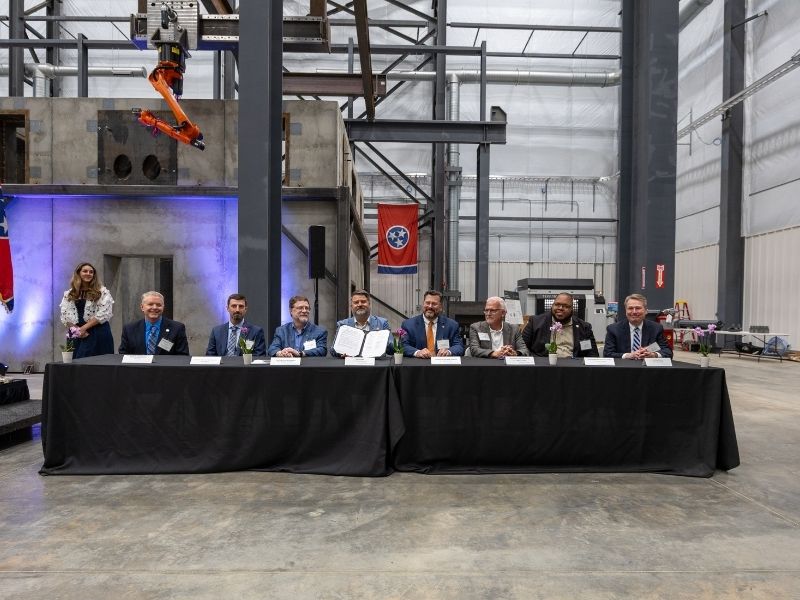
Kairos Power and others launch NuCAMP at the company's Oak Ridge, Tenn., campus. (Photo: Kairos Power)
As Kairos Power’s high-temperature, fluoride salt–cooled reactor facilities in Oak Ridge, Tenn., take shape, the company is partnering with multiple regional groups to prepare the local workforce for new nuclear career opportunities.
Kairos has signed a memorandum of understanding with Oak Ridge National Laboratory, the University of Tennessee–Knoxville, the Institute for Advanced Composites Manufacturing Innovation (IACMI), Barnard Construction, Roane State Community College, Chattanooga State Community College, and Oak Ridge Schools to form the Nuclear Center for Advanced Manufacturing and Precast, or NuCAMP.
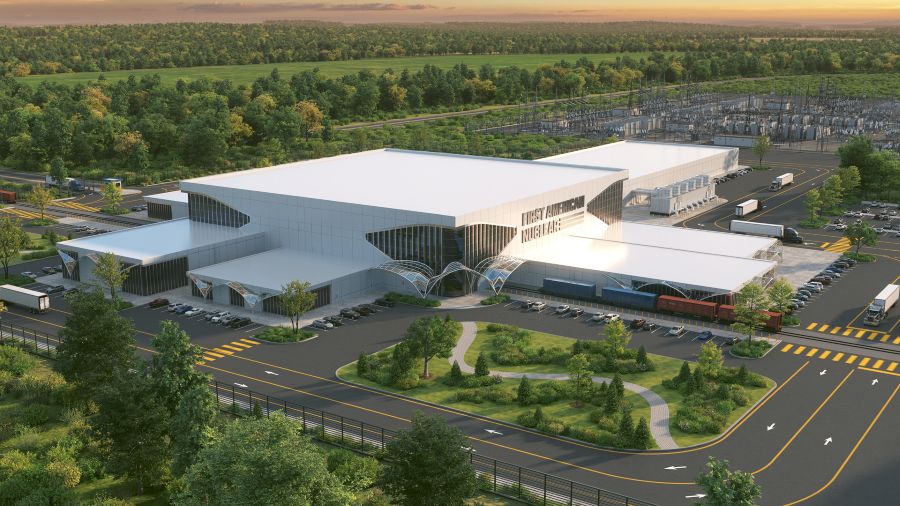
A stylized rendering of a FANCO Energy Park. (Image: FANCO)
First American Nuclear Co., developer of the 240-MWe EAGL-1 reactor, has announced its intention to make its own advanced reactor fuel. The Indianapolis-based company has filed a regulatory engagement plan with the Nuclear Regulatory Commission for the construction of a Category II high-assay low-enriched uranium deconversion and fuel fabrication facility, and the NRC has docketed the plan for consideration.
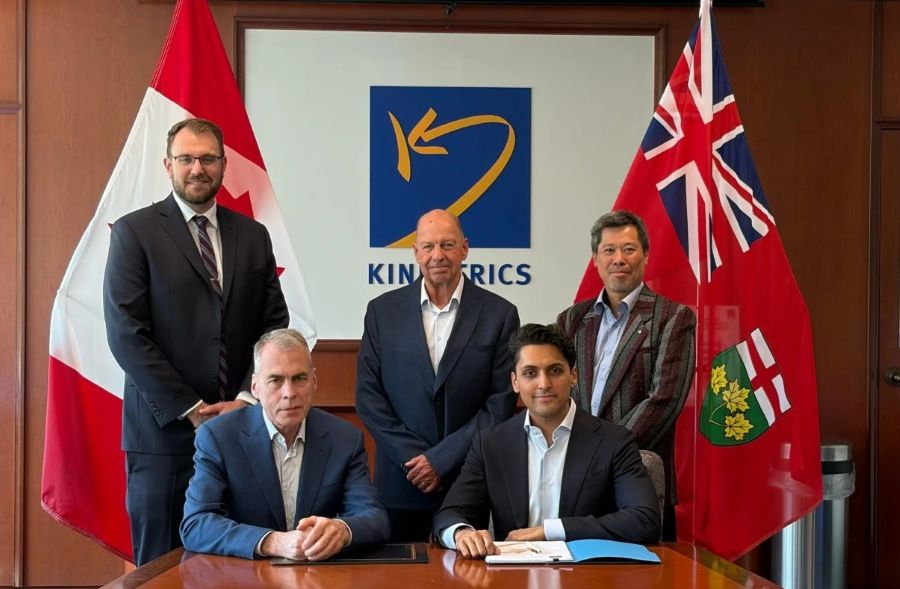
Sitting, from left, are Kinectrics president John D’Angelo CCTE COO and Milan Shah. Standing, from left, are Nuclear New Build vice president Sean Donnelly, CCTE executive advisor Paul Thompson, and CCTE CTO Paul Chan. (Photo: Clean Core)
Clean Core Thorium Energy announced that BWX Technologies–owned Kinectrics will conduct an independent technical review of its ANEEL (Advanced Nuclear Energy for Enriched Life) fuel qualification program.
According to CCTE, Kinectrics will review key aspects of the fuel design, manufacturing, safety, and regulatory readiness.
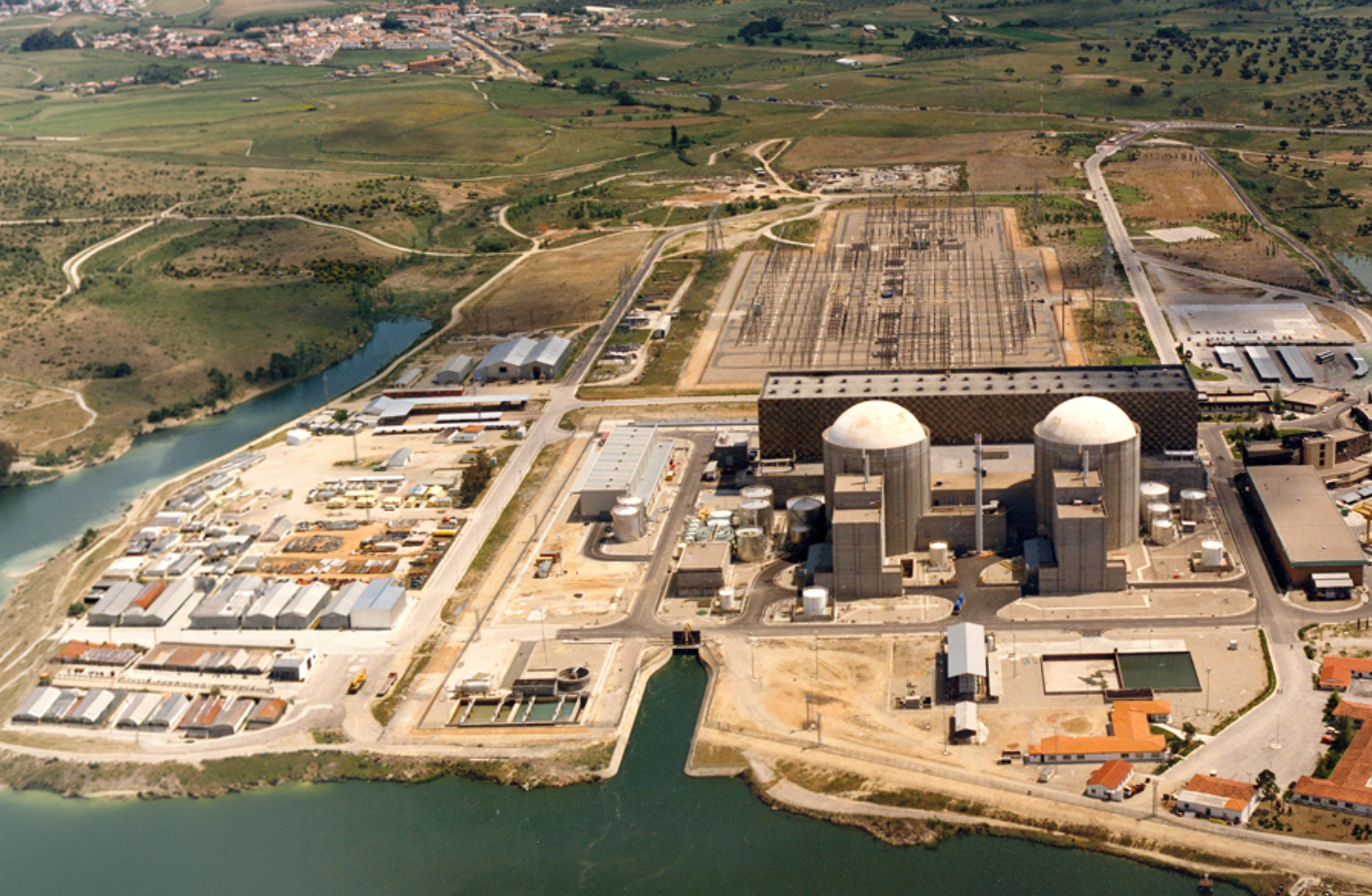
Almaraz nuclear power plant in Spain. (Image: Iberdrola España)
The Spanish government has renewed for another three years the operating license of Almaraz nuclear power plant, the country’s largest power plant and a facility that was originally scheduled to shut down beginning next year as part of Spain’s plans to phase out nuclear energy.
The license renewal—issued on August 12 by the Ministry for the Ecological Transition and the Demographic Challenge and posted publicly on August 14—extends the license of the two-unit, 2,017-MWe Almaraz through June 8, 2030.
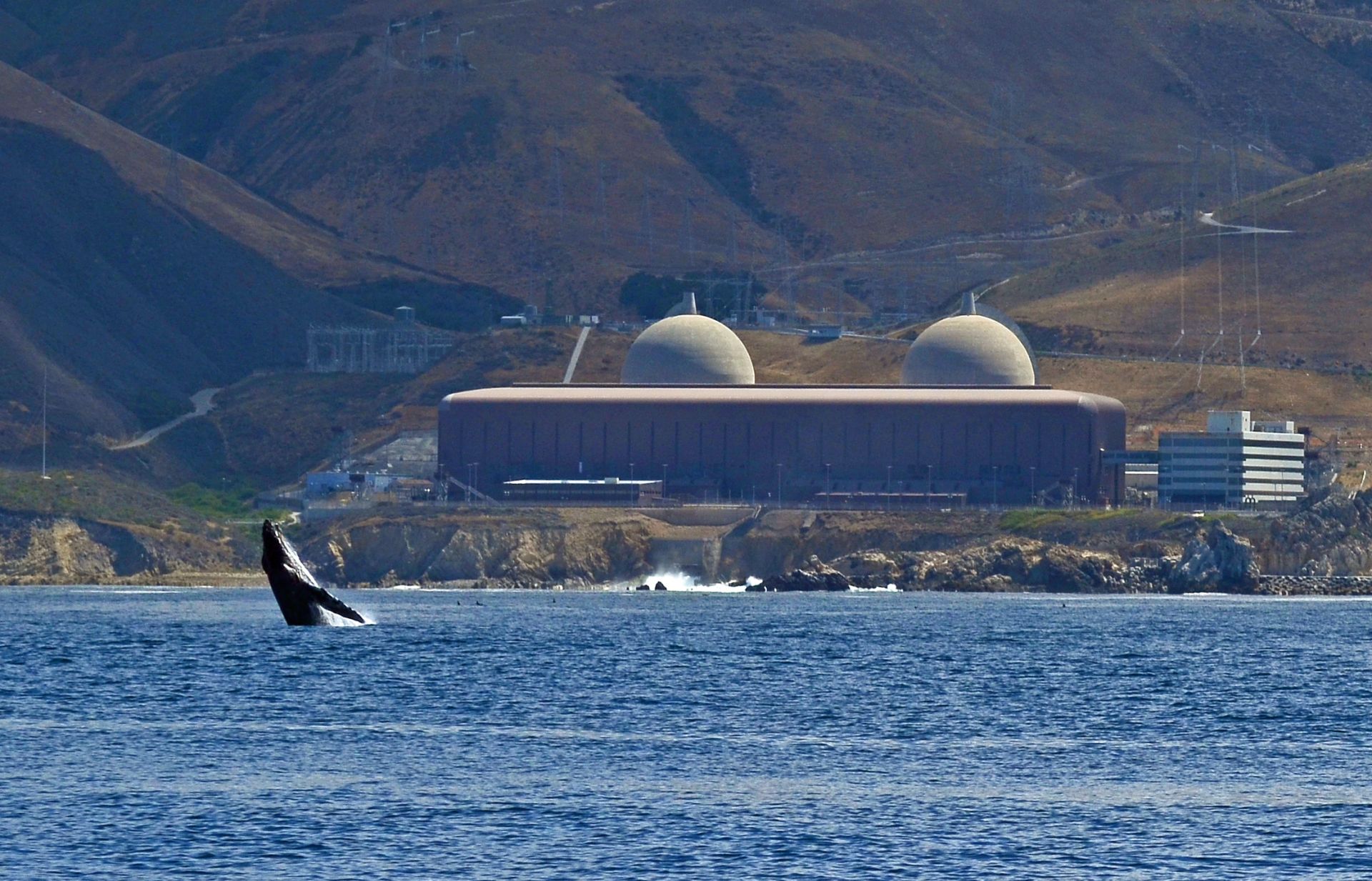
Diablo Canyon in San Luis Obispo County, Calif. (Photo: PG&E)
Pacific Gas and Electric has received a federal credit payment of $271 million from the Department of Energy under the DOE’s Civil Nuclear Credit (CNC) Program, which was set up in 2022 as a $6 billion federal strategic investment to help preserve the existing U.S. nuclear reactor fleet. The Award Cycle 1 funds just disbursed cover extended operations for Diablo Canyon-1, with the DOE noting that Unit 2 will become eligible for a CNC payment after completion of the 2025 award year audit.

 What fuels the future of nuclear? Whether it is low-enriched uranium, LEU+, or high-assay low-enriched uranium, one of the answers is in the question itself: fuel.





 The American Nuclear Society is hosting a Supplier Showcase webinar, “